
Shoulder & upper limb
Frozen shoulder.
Painful, stiff and slow to improve, frozen shoulder can affect sleep, work and everyday tasks. With the right guidance you can manage symptoms and gradually restore movement.
Shoulder rehabilitation is a special interest of Phoebe’s
What is it?
What is frozen shoulder?
Frozen shoulder (also called adhesive capsulitis) happens when the tissue around the shoulder joint becomes thickened and tight. It usually comes on gradually and tends to move through stages — a painful “freezing” stage, a stiff “frozen” stage and a “thawing” stage as movement slowly returns.
Recovery can take many months, so having a clear plan and the right support makes a real difference.
Common symptoms
- Shoulder pain, often worse at night
- Stiffness and gradual loss of movement
- Difficulty reaching overhead or behind your back
- Trouble with everyday tasks like dressing or washing your hair
How physio can help
A plan for every stage.
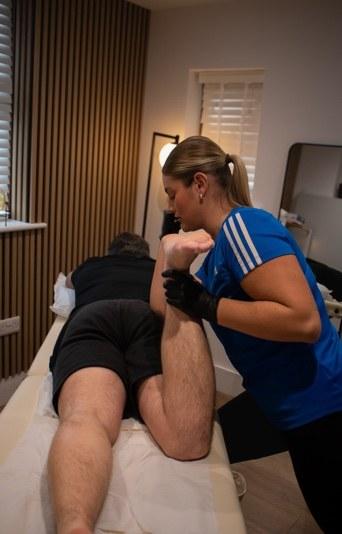
After a thorough assessment, I’ll tailor treatment to the stage you’re in and what you want to get back to.
- Advice on managing pain and staying active
- Gentle mobility and flexibility exercises
- Joint mobilisation and soft tissue release
- Progressive strengthening as movement returns
- A clear home exercise programme
Treatments that may help
Related conditions
This page is general information and isn’t a substitute for an individual assessment.
Ready to move better?
Book an initial consultation and treatment — 60 minutes, £50. Or get in touch with any questions.